Is an Air Fryer Worth It? The Short Answer
Air fryer worth it? For many households, yes. It pays off when you cook small batches, reheat food often, and want crisp results without heating a full-size oven.
It is not essential, though. If you already use a convection oven or toaster oven daily, an air fryer may add little. The sections below help you decide based on how you actually cook.
- Worth it if you cook for one to four people and reheat leftovers often.
- Maybe if you have a toaster oven with a convection setting.
- Skip it if your counter is tight or you mostly cook large batches.
How Air Fryers Work
An air fryer is a small countertop convection oven. A heating element and a fan move hot air around the food, which dries the surface and helps it brown.
Because the cooking chamber is small, heat builds fast and air moves quickly. That is why many foods crisp in less time than in a full-size oven. It does not actually fry food in oil the way a deep fryer does.
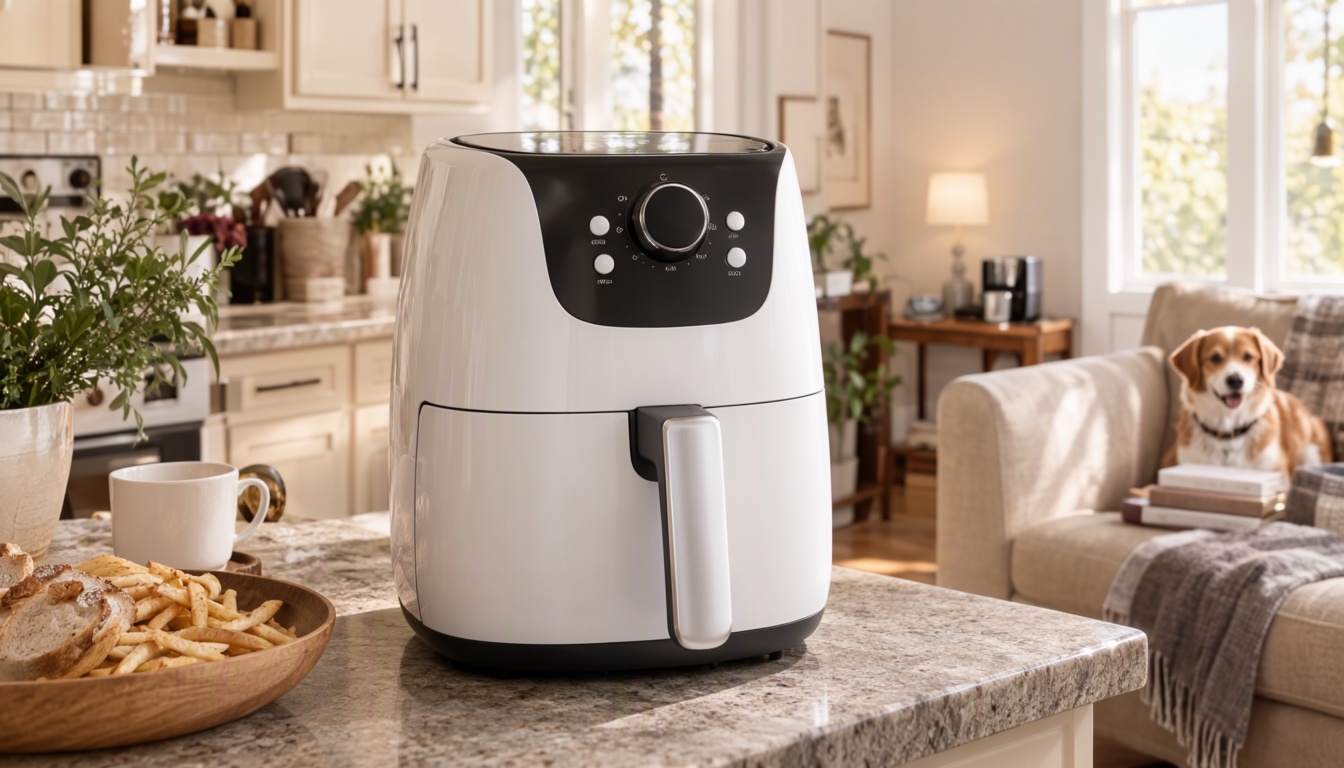
Basket-style models hold food in a perforated tray you shake partway through. Oven-style models use racks, which suit larger or more varied loads. If you want a closer look at the space, power, and routine side of this choice, see our guide on whether an air fryer is worth it.
Why Are Air Fryers So Popular?
They are popular because they are simple. You add food, set a time and temperature, and get a crisp result with little preheating and little attention.
Several things drive the interest:
- Speed: small chambers heat quickly, so there is little waiting.
- Crisp texture: frozen fries, wings, and leftovers often come out better than from a microwave.
- Low effort: most baskets and trays are easy to remove and wash.
- Social buzz: recipe videos and endorsements made them highly visible.
Visibility is not the same as necessity. Popularity tells you the appliance is convenient, not that it suits your kitchen.
Pros of Air Fryers
The main benefits are crisp texture, faster everyday cooking, and less oven heat. They shine for small, frequent meals.
Crispy Food
Air fryers are good at crisping frozen snacks, vegetables, chicken pieces, and reheated pizza. Moving air removes surface moisture, which is what lets food brown.
Crowding the basket works against this. Food in a single layer with gaps between pieces crisps better than a pile.
Healthier Meals
Air frying can use much less added oil than deep frying, so it may lower the fat in some meals. That does not make every food healthy. Breaded and processed foods are still breaded and processed.
For general guidance on balanced eating, see the FDA nutrition facts label resources, which explain how to read fat, sodium, and calories on packaged foods.
Speed and Convenience
For a small portion, a short air fryer cycle can be more practical than heating a large oven. You also keep the kitchen cooler in summer. Actual energy savings depend on your model, your oven, and your habits, so treat any specific figure with caution.
Convenience also shows up in small ways. There is no pan to grease for many foods, and a quick cycle fits a busy weeknight. If you tend to skip cooking because the oven feels like too much effort, a smaller appliance may change that habit.
Cons of Air Fryers
The main drawbacks are small capacity, counter space, and uneven results when you overfill the basket. Some models are also loud.
- Small capacity: many baskets suit one to three servings at a time.
- Counter footprint: they are bulky and need clearance for ventilation.
- Batch cooking: feeding a crowd may take several rounds.
- Cleanup: nonstick coatings need gentle care, and grease can build up.
- Limited tasks: wet batters and large roasts do not suit most baskets.
Tip: Measure your counter and the space above it before you shop. Air fryers need open room around the vents, so a spot under a low cabinet may not work.
Air Fryer vs. Other Kitchen Tools
An air fryer overlaps with a toaster oven and a convection oven. The right pick depends on batch size, space, and what else you want the appliance to do.
| Appliance | Best for | Main limit |
|---|---|---|
| Air fryer (basket) | Fast, crisp small batches | Small capacity |
| Air fryer oven | More racks and mixed meals | Larger footprint |
| Toaster oven | Toast, broiling, small baking | May crisp less evenly without convection |
| Full-size oven | Big meals and baking | Slower to heat, warms the kitchen |
If you want one appliance for several jobs, a convection toaster oven may fit better. If crisp reheating is the main goal, a basket air fryer is simpler.
Are Air Fryers a Kitchen Essential?
No. An air fryer is useful, not required. Plenty of cooks get the same results from an oven, a skillet, or a toaster oven.
Endorsements often come from people who cook small meals or snack foods daily. Your needs may differ. Other appliances show the same pattern: an Instant Pot or a stand mixer pays off only if your routine uses it. Browse more options in our kitchen section.
Who Should and Shouldn't Buy One
Buy one if you reheat often and cook small portions. Skip it if you rarely cook, lack space, or already own a capable convection toaster oven.
Good fit
- Singles, couples, and small families.
- Students and apartment cooks with small ovens.
- Anyone who often cooks frozen foods or leftovers.
Poor fit
- Large households cooking one big meal at a time.
- Cooks with very little counter or storage space.
- People who already use a convection oven daily.
If you land in the middle, think about frequency. An appliance you use three or four times a week earns its space. One you use twice a month usually does not, no matter how well it works.
Safety and Care Basics
Keep the unit on a heat-safe surface with open space around it, and follow the manual. Clean the basket and drip area regularly to limit grease buildup.
Cook meat and poultry to safe internal temperatures, and use a thermometer rather than guessing by color. The USDA lists the minimum temperatures on its safe temperature chart.
- Unplug and cool the unit before cleaning.
- Wash removable parts with a soft sponge and mild soap.
- Wipe the heating area with a damp cloth once it is cool.
- Dry everything before reassembling.
How to Choose One If You Decide Yes
Pick based on capacity, footprint, controls, and cleanup. Features matter less than whether the basket fits the food you cook most.
- Capacity: match it to your household size, and check the basket dimensions rather than only the quart number.
- Controls: clear dials or buttons are easier than complex presets.
- Cleanup: dishwasher-safe parts save time, if the manual allows it.
- Noise and size: read owner reviews for both.
Tip: Read the owner reviews that mention a household like yours. Comments about basket size and cleanup are more useful than star averages.
Brand-specific reviews can help once you know your needs. Look for sources that explain how they evaluated a model, and be cautious of claims you cannot verify.
Bottom Line: Are Air Fryers Worth It?
Yes, for small-batch cooks who value speed and crisp texture. No, if you lack space or already have a convection toaster oven that does the job.
Start with how you cook now. If you often reheat, cook frozen foods, or avoid heating the oven, an air fryer will likely earn its spot. If not, save the counter space and the money.