Is a Stand Mixer Worth It?
A stand mixer is worth it if you bake or cook with dough on a regular basis. If you mix a batch of cookies a few times a year, you can probably skip it.
The honest answer depends on your habits, not on the machine. A mixer that sits in a cabinet is an expensive bowl. A mixer that runs every weekend can save real effort.
This guide explains what a stand mixer does, how it compares with other options, what it costs to own, and who benefits most. We have not physically tested any of these machines, so the advice here is based on how the tools work and on common buyer concerns.
What Is a Stand Mixer?
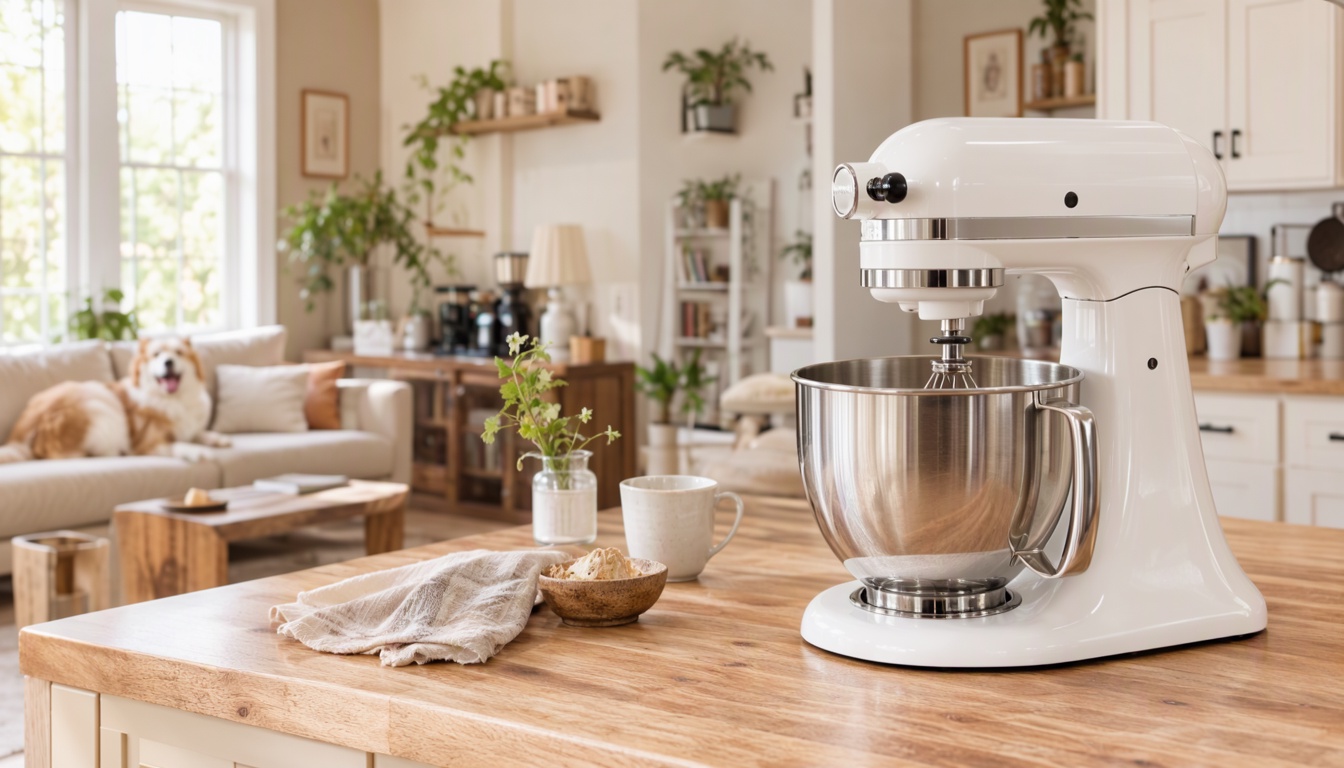
A stand mixer is a countertop appliance with a motor head, a locking bowl, and swappable tools that mix, whip, and knead while it stays in place.
Most home models use three basic tools:
- Flat beater: for cake batter, cookie dough, frosting, and mashed potatoes.
- Wire whisk: for egg whites, whipped cream, and meringue.
- Dough hook: for kneading bread, pizza, and bagel dough.
There are two common designs. A tilt-head mixer lifts back so you can add ingredients and swap tools easily. A bowl-lift mixer raises the bowl on arms, which tends to suit larger bowls and heavier loads.
Stand Mixer vs. Hand Mixer vs. Mixing by Hand
A stand mixer beats the other two on heavy dough and hands-free mixing. A hand mixer wins on price and storage. Mixing by hand costs nothing and works fine for light batters.
| Factor | Stand mixer | Hand mixer | By hand |
|---|---|---|---|
| Upfront cost | Highest | Low | None |
| Counter or storage space | Large and heavy | Fits in a drawer | None |
| Heavy bread dough | Handles it well | Can strain the motor | Tiring, but doable |
| Hands-free mixing | Yes | No | No |
| Light batters and whipping | Very good | Good | Fair |
If you only make brownies and boxed cake, a hand mixer covers nearly everything. Bread is where the gap shows up.
Key Benefits of Using a Stand Mixer
The main benefits are saved effort, steadier results, easier heavy dough, free hands, and the option to add attachments. Not every benefit matters to every cook.
1. Saves Time and Energy
A stand mixer does the physical work for you. Creaming butter and sugar or beating frosting for several minutes is easy on a machine and tiring by hand.
The savings add up on large batches, such as holiday cookies for a crowd.
2. Better Results for Baking
A mixer repeats the same motion at the same speed. That consistency helps with creamed butter, whipped egg whites, and meringue, where under-mixing or over-mixing changes the texture.
You still control the recipe. The machine just makes the technique more repeatable.
3. Handles Heavy Doughs Easily
Kneading stiff dough is the strongest case for a stand mixer. A dough hook can work bread, bagel, and pizza dough for you without sore wrists.
Check the bowl size and the manufacturer's listed dough capacity before you buy. A small bowl limits how much dough you can make at once.
4. Multitasking and Hands-Free Mixing
While the mixer runs, you can measure the next ingredient, prep a pan, or wash dishes. That is a quiet benefit, but it changes how a baking session feels.
Add dry ingredients slowly and stay nearby. Do not leave a running mixer unattended for long stretches.
5. Versatility With Attachments
Many stand mixers have a power hub that accepts optional tools. That can turn one motor into several kitchen helpers, which is covered in the attachments section below.
Real Costs: Purchase, Maintenance, and Space
A stand mixer costs more than a hand mixer upfront and takes real counter or cabinet room. Maintenance is light, but attachments and extra bowls add to the total.
Prices change often, so check current listings rather than relying on a number here. In general, expect a wide range, from budget models to premium machines that cost several times as much.
| Cost area | What to think about |
|---|---|
| Purchase price | Compare motor power, bowl size, and warranty, not just brand. |
| Attachments | Often sold separately; they can add up. |
| Extra bowls and tools | A second bowl helps when a recipe needs two mixes. |
| Cleaning | Bowls and beaters wash easily; check which parts are dishwasher-safe. |
| Space | These machines are heavy and tall. Measure under-cabinet height first. |
Tip: Measure the height with the head tilted up or the bowl raised. Many buyers only measure the closed machine and then find it will not fit under their cabinets.
Who Really Needs a Stand Mixer?
You benefit most if you bake weekly, make yeast dough, cook for a big household, or want to use attachments. Casual bakers can usually skip it.
A stand mixer tends to make sense for:
- Home bakers who make bread, pizza, or bagels regularly.
- Families who bake in large batches.
- Cooks with wrist, hand, or joint pain who find kneading hard.
- People who want one motor for pasta, grinding, or other attachments.
You can likely skip it if you bake only a few times a year, have a very small kitchen, or mostly cook savory meals.
Stand Mixer Brands and Models: Which Are Best?
No single brand is best for everyone. Pick based on bowl size, motor power, build, attachment options, and warranty, then read recent owner reviews for reliability.
Instead of chasing a name, compare these points:
- Bowl capacity: 4 to 5 quarts (about 3.8 to 4.7 L) suits most households; larger bowls suit heavy bread baking.
- Design: tilt-head for ease, bowl-lift for stability with stiff dough.
- Attachment hub: check that the accessories you want will fit.
- Warranty and parts: look for replaceable bowls and beaters.
If you want to browse, a 5-quart tilt-head stand mixer is a common starting point for home kitchens.
Stand Mixer Limitations: The Other Side
Stand mixers are bulky, pricey, and not ideal for tiny batches. They also do not replace every tool in your kitchen.
- Size and weight: they are awkward to store and lift.
- Small batches: a very small amount of batter can miss the beater at the bottom of a big bowl.
- Scraping: you still need to stop and scrape the bowl sides.
- Overloading: overly stiff or large doughs can strain the motor. Follow the manual.
- Cost: a premium price does not guarantee you will use it more.
If you already own several small appliances, think about which one you would really use. Our guides on whether an air fryer is worth it and whether an Instant Pot is worth it use the same logic.
Stand Mixer Attachments: Beyond Mixing
Many mixers accept optional attachments for pasta, grinding, slicing, and more. They add flexibility, but each one costs extra and takes storage space.
Common options include:
- Pasta roller and cutter sets.
- Meat grinder attachments.
- Food grinder or slicer and shredder tools.
- Ice cream bowl attachments.
Before you rely on an attachment, check that it is made for your exact mixer and hub type. If you plan to grind meat, follow safe handling guidance from FoodSafety.gov, including safe cooking temperatures for ground meat.
Tip: Buy the mixer first and use it for a few months. Add an attachment only when you find yourself wishing you had one.
Food Processor: Which Should You Get?
Get a stand mixer for dough, batter, and whipping. Get a food processor for chopping, shredding, and quick purees. They overlap a little, but they do different jobs.
| Task | Better fit |
|---|---|
| Bread and pizza dough | Stand mixer |
| Whipped cream and meringue | Stand mixer |
| Chopping vegetables | Food processor |
| Shredding cheese | Food processor |
| Pie dough | Either works |
If you need to choose one, pick the tool that matches the task you do most. A food processor is often the more useful choice for savory, everyday prep.
How to Decide: Is a Stand Mixer Worth It for You?
Answer four questions: how often you bake, whether you make dough, how much space you have, and whether attachments appeal to you. Mostly yes answers point to buying.
How often do you bake or cook?
If you bake at least a couple of times a month, a mixer can earn its place. If you bake a few times a year, a hand mixer is usually enough.
Do you make bread or pizza dough?
This is the biggest deciding factor. Regular yeast dough is where a stand mixer saves the most effort. If you never make dough, the case is weaker.
Do you have enough kitchen space?
If you must lift the mixer from a high shelf every time, you may stop using it. A permanent spot on the counter makes use more likely.
Are you interested in extra attachments?
If pasta, grinding, or ice cream appeals to you, the hub adds value. If not, you are paying for flexibility you will not use.
For a quick score, count your yes answers:
- 3 to 4 yes: a stand mixer is likely worth it.
- 2 yes: consider a hand mixer first, and buy a stand mixer later if you outgrow it.
- 0 to 1 yes: skip it for now.
You can find more on this topic in our related guide, Is a Stand Mixer Worth It? When It Pays Off at Home, or browse more in Kitchen.