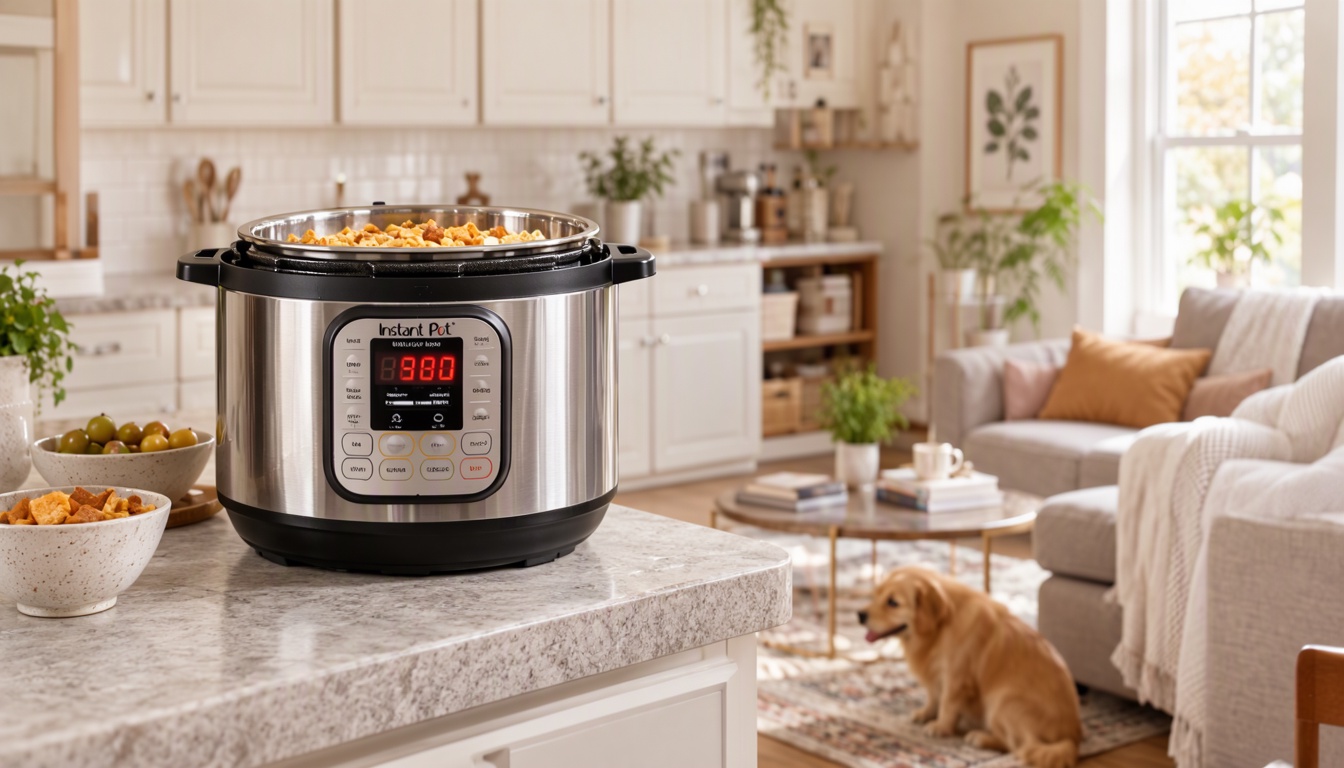
Is an Instant Pot Worth It? The Quick Answer
An Instant Pot is worth it for people who cook at home several times a week and use dried beans, tough cuts of meat, soups or stews. It is a poor fit if you cook rarely or want crisp, browned food.
The Instant Pot is an electric multi cooker. Its main trick is pressure cooking, which shortens the time needed to soften food. It also slow cooks, sautés, steams and often makes rice or yogurt, depending on the model.
The honest answer is that it depends on your habits, not on the hype. The sections below help you match the appliance to your routine. We have not physically tested these appliances, so this guide relies on how the appliance works, published food safety guidance and common owner experience.
What an Instant Pot Actually Does
An Instant Pot seals a pot, builds steam pressure, and cooks food at a higher temperature than open boiling. That is why some dishes finish much faster than on a stove.
Most models combine several functions in one base. Exact features vary by model, so check the product listing before you choose.
- Pressure cooking: beans, stock, stews, pot roast and tough cuts.
- Slow cooking: a lower, longer setting, like a slow cooker.
- Sauté: browning onions or meat in the same pot.
- Steaming: vegetables, fish and dumplings with a rack.
- Rice and grains: a preset on many models.
Time savings are real for long-cooking foods, but the pot also needs time to come up to pressure and release it. Do not expect every recipe to finish in a few minutes from start to table.
Reasons to Buy an Instant Pot
Buy one if you want hands-off cooking, fewer pots to wash, and faster results on beans, braises and soups. The value grows the more often you cook those foods.
- Dried beans and legumes: they cook without soaking in many recipes, which saves planning time.
- Tough, cheaper cuts: pot roast, pork shoulder and chicken thighs soften quickly under pressure.
- One-pot meals: you can sauté, then pressure cook, in the same insert.
- Less heat in the kitchen: handy in summer or in a small apartment.
- Batch cooking: large pots of soup, chili or grains for weekly meal prep.
It can also help if you cook on a dorm-style setup or in a home with a limited stove. A single countertop base can cover several jobs.
Reasons to Skip an Instant Pot
Skip it if you cook only a few times a month, hate learning new gadgets, or lack counter and cabinet space. Unused appliances are the main way these pots end up in storage.
- You rarely cook: takeout and microwave meals do not need a pressure cooker.
- You love browning and crisp texture: pressure cooking is moist, so roasts and fried foods will not get a crisp crust.
- You already own overlapping gear: a good slow cooker and rice cooker may cover your needs.
- Storage is tight: the base, lid and accessories take real space.
- You dislike steam and rules: there is a learning curve for sealing, venting and liquid amounts.
If most of your cooking is sheet-pan dinners or quick skillet meals, the stove and oven already do the job well.
Instant Pot Pros and Cons at a Glance
The main upside is speed and convenience for certain foods. The main downsides are space, a learning curve, and weaker results for crisp or browned dishes.
| Factor | Pro | Con |
|---|---|---|
| Speed | Faster for beans, stews and tough cuts | Heat-up and release time add minutes |
| Versatility | Several functions in one base | Each function is a compromise |
| Cleanup | One insert, fewer pots | Lid ring and valve need regular cleaning |
| Texture | Tender, moist food | Little crisping or browning |
| Space | Replaces some gear | Bulky on small counters |
Instant Pot vs. Single-Purpose Appliances
An Instant Pot can match a slow cooker and rice cooker for most home cooking, but a dedicated appliance may do one task better. The trade-off is convenience against specialization.
For a similar decision on another popular countertop tool, see our guide on whether an air fryer is worth it. If you bake often, our stand mixer guide covers a different kind of payoff.
- Slow cooker: a dedicated slow cooker is simple and has fewer parts. The Instant Pot adds speed and sautéing.
- Rice cooker: a dedicated rice cooker is often simpler for daily rice. The multi cooker does fine for occasional batches.
- Stovetop pressure cooker: it can reach strong pressure and sear well, but you must watch the heat yourself.
- Microwave: it reheats and defrosts well, but it does not replace pressure cooking or braising.
So, does it replace a microwave? No. It handles different jobs, and most kitchens still benefit from both.
Who Should Buy One, and Who Should Not
Home cooks who make soups, beans, grains and braises weekly get the most from one. Occasional cooks, or people who mostly want crisp food, usually get less value.
| Your situation | Likely verdict |
|---|---|
| Cook at home 4+ nights a week | Worth considering |
| Meal prep big batches | Worth considering |
| Own no slow cooker or rice cooker | Good all-in-one option |
| Cook a few times a month | Probably skip |
| Want crisp, browned results | Look at an oven or air fryer instead |
| Very small kitchen | Check storage first |
Our broader guide, Is an Instant Pot Worth It? Who Needs One and Who Doesn't, goes deeper on matching the appliance to your routine.
Safety and Food Handling Basics
Pressure cookers are safe when you follow the manual, keep the sealing ring and valve clean, and never force the lid open. Food safety rules for temperature and storage still apply.
The USDA explains safe cooking temperatures and leftover handling in its guidance on safe minimum cooking temperatures. Use a food thermometer for meat and poultry, even when a recipe gives a time.
- Do not fill past the max line, and use less for foods that foam or expand, such as beans and grains.
- Let pressure release as the manual directs before opening.
- Cool leftovers promptly and refrigerate them in shallow containers.
Tip: Run the water test described in your manual before your first recipe. It teaches you how the pot seals and releases without risking a meal.
Costs, Sizes and What to Look For
Pick the size by household, then check which functions you will actually use. Prices change often, so compare current listings rather than relying on a fixed number.
- 3 quart: suits one or two people, or side dishes.
- 6 quart: a common size for families of three to five. A 6 quart Instant Pot is a typical starting point.
- 8 quart: better for big batches and meal prep.
Look for a stainless steel insert, a clear manual, dishwasher-safe parts and easy-to-find replacement sealing rings. Skip features you will not use, since simpler models cost less.
If you also like a morning routine with good gear, browse more picks in our Kitchen category.
Quick Decision Checklist
If you answer yes to most items below, an Instant Pot is likely worth it. If you answer no to most, save your money and counter space.
- Do you cook at home at least three or four times a week?
- Do you often make beans, soups, stews or braised meat?
- Do you want fewer pots and less attended time at the stove?
- Do you have room to store a 6 quart appliance?
- Are you willing to read the manual and try a few recipes?
Tip: Before you buy, list the five dinners you cook most. If at least two suit pressure cooking, the pot has a good chance of earning its space.
Are Instant Pots Worth It? Bottom Line
Yes, for regular home cooks who like soups, beans and braises. No, for occasional cooks or anyone who mainly wants crisp food. Match it to your real routine.
An Instant Pot is a useful tool, not a magic one. It earns its place by saving attention and time on specific dishes, and it gathers dust when it does not fit how you eat. Use the checklist, check your storage, and choose a size that fits your household.